
Social Media Platforms Can Shutdown. Don’t Put All Your Eggs in One Basket.
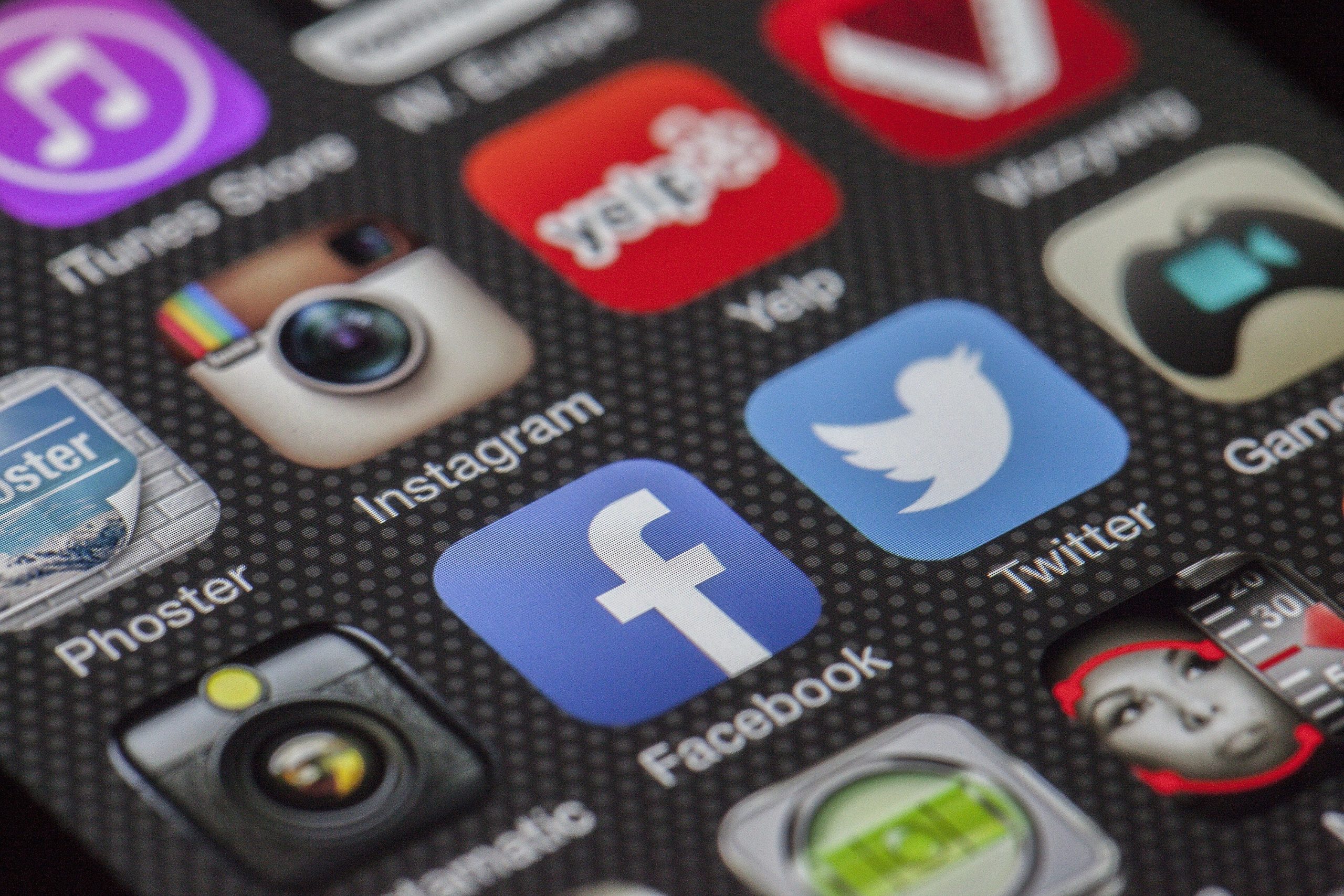
In today’s digital age, social media platforms have become an integral part of our daily lives. From connecting with friends and family to promoting businesses and brands, these platforms offer endless opportunities for online presence. However, as the saying goes, don’t put all your eggs in one basket.
Diversify Your Digital Strategy: The Importance of Not Relying Solely on Social Media Platforms
While social media platforms may seem like the perfect solution for reaching a wide audience, they can also go offline at any given time.
This means that all your efforts put into building a following and promoting your brand could suddenly disappear if the platform experiences technical issues or even shuts down permanently. It’s important to remember that you do not own these platforms, so you have no control over their future.
Having your own website gives you more control over your online presence.

Even if social media platforms were to go offline, having a website ensures that your business or personal profile is still accessible by potential customers or followers.
This not only provides an alternative avenue for people to find out about you but also gives them a sense of security in knowing that you’re established enough to have an official website.
Another threat to online visibility without a website is search engine optimization. (SEO Without having content on a dedicated platform such as a website, it becomes difficult for search engines like Google to rank and recommend your brand/business when users are searching for related keywords.
By having an active website with quality content optimized for SEO, you increase your chances of appearing higher in search results and gaining organic traffic.
Furthermore, not relying solely on social media also allows you to reach different demographics who may not use those specific platforms regularly.
For example, older generations may prefer using search engines rather than scrolling through various social media feeds for information about products or services they’re interested in purchasing.
Lastly, by diversifying your digital strategy, you also protect yourself from the constantly changing algorithms of social media platforms. These algorithms can drastically affect your reach and engagement, making it difficult to consistently connect with your audience.
By having a website as a backup, you have more control over how and when your content is shared with potential customers or followers.
In conclusion, while social media is an important element in any digital strategy, it’s essential not to rely solely on these platforms for online visibility. The potential risks such as technical issues or shutdowns should not be ignored.
Having a dedicated website offers more control and stability in establishing and maintaining an online presence. As the saying goes – don’t put all your eggs in one basket – it’s crucial to diversify your digital strategy beyond social media for long-term success and security.

Recent Posts

Popular Posts
-
 When to DIY and When to Hire a Pro for Your Website Design
-
Social Media Platforms Can Shutdown. Don’t Put All Your Eggs in One Basket.
-
 The Surprising Truth Behind the Rise of Remote Work
-
 Maximizing Your Online Presence Tips and Tricks for Success
-
 Budgeting for Your Website How to Make the Right Decision